
When an unexpected injury or severe persistent cough occurs, determining where to get quick X-rays in Philadelphia can save hours of agonizing wait times while ensuring prompt medical intervention. Outpatient diagnostic imaging has evolved drastically, moving away from slow, traditional film processing to instant digital radiography. Understanding how non-emergency diagnostic facilities operate helps patients make informed, time-sensitive decisions regarding their personal healthcare needs.
Whether dealing with a potential sports fracture, a joint sprain, or an acute respiratory infection, knowing when and where to seek rapid diagnostic imaging is essential. Navigating urban healthcare options requires balancing clinical quality, accessibility, speed, and cost-effectiveness. This comprehensive guide examines the technical mechanics of modern digital imaging, clinical indicators for rapid scans, and how walk-in medical facilities provide critical radiological support across metropolitan neighborhoods.
Understanding Modern Outpatient Digital Imaging: When Do You Need an Immediate X-Ray?
Radiography remains one of the fundamental first-line diagnostic tools in modern clinical medicine. It utilizes safe, low-dose electromagnetic radiation to produce detailed images of dense internal structures, primarily bone and dense tissue. Knowing where to get quick X-rays in Philadelphia begins with understanding which clinical symptoms warrant immediate radiological evaluation rather than delayed routine appointments.
Distinguishing Soft Tissue Injuries from Bone Fractures
One of the most common reasons patients seek urgent imaging is acute orthopedic trauma resulting from falls, athletic activities, or accidental impacts. Swelling, localized tenderness, bruising, and an inability to bear weight on an extremity are primary indicators that bone integrity may be compromised. While severe ligament sprains and muscle tears can mimic the intense pain of a fracture, only a clear radiological scan can definitively confirm or rule out a structural break.
Obtaining a rapid, accurate diagnosis is critical because untreated or misdiagnosed hairline fractures can lead to improper bone alignment, non-union, chronic pain, or long-term joint instability. In addition to extremity trauma, immediate chest X-rays are frequently indicated when patients exhibit symptoms of acute pneumonia, foreign body ingestion, or rib cage trauma following a direct impact.
The Technological Advantage of Digital Radiography
The transition from analog film to digital radiography (DR) has revolutionized outpatient diagnostic care. Digital X-ray systems utilize flat-panel detectors that convert x-ray photons directly into digital signals, producing high-resolution images on computer monitors within seconds. This technical advancement significantly reduces patient wait times during diagnostic consultations.
Furthermore, digital radiography offers superior diagnostic flexibility compared to traditional methods. Radiologic technologists and evaluating clinicians can adjust image contrast, zoom in on subtle stress fractures, and measure bone structures with extreme precision. Digital imaging also reduces radiation exposure by up to 80 percent compared to older film systems, making it a safer option for pediatric and adult patients alike.
Navigating Urgent Care vs. Emergency Room Imaging in Metropolitan Areas
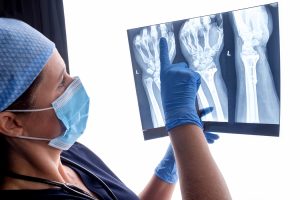 A frequent dilemma for individuals seeking emergency medical imaging in major urban areas is deciding between a hospital emergency department and an outpatient walk-in facility. Hospital emergency rooms are optimized for high-acuity, life-threatening traumas such as major motor vehicle accidents, severe burns, or stroke emergencies. As a result, patients presenting with non-life-threatening injuries often experience triaging delays that stretch into several hours.
For minor to moderate trauma, utilizing a community walk-in facility is typically much faster and substantially more affordable. Knowing where to get quick X-rays in Philadelphia through an urgent care center allows patients to receive registration, physical examination, radiologic imaging, and initial stabilization in a single, streamlined visit. Outpatient clinics eliminate the overwhelming overhead costs associated with hospital ER visits while maintaining high standards of radiological precision.
- Reduced Wait Times: Outpatient walk-in centers typically evaluate and image non-emergency cases in under an hour.
- Cost-Effective Care: Lower copays and transparent self-pay rates compared to hospital facility charges.
- Comprehensive Service: Immediate clinical interpretation combined with initial splinting, casting, or prescription management.
- Digital Image Transfer: Seamless digital archiving allows patients to receive digital copies of their scans for follow-up care with specialized orthopedic surgeons.
What to Expect During an Outpatient Walk-In X-Ray Procedure
Understanding the operational sequence of a walk-in radiologic scan can ease patient anxiety and streamline the visit. The process is designed to be highly efficient, ensuring patient safety while gathering vital diagnostic data for the treating provider.
Preparation and Radiation Safety Protocols
Before undergoing an X-ray examination, patients complete a brief medical screening to identify potential contraindications, such as pregnancy. The radiologic technologist guides the patient to the imaging suite, where any metal objects, jewelry, or thick clothing over the targeted anatomical area must be removed to prevent image artifacts.
Radiation safety protocols are strictly enforced in all certified facilities. Technologists utilize lead apron shielding over non-targeted body areas to minimize scatter radiation exposure. The technologist carefully positions the patient using specialized anatomical markers to capture the precise angles necessary for an accurate diagnostic read.
How Rapid Image Analysis Directs Immediate Treatment
Once the images are captured, they instantly render on the technologist’s workstation for quality verification. The treating clinician evaluates the digital scans immediately to formulate a targeted treatment strategy. If a bone fracture is identified, the medical provider can immediately align the injury, apply appropriate splinting or immobilization devices, and provide pain management guidance.
In cases where complex multi-fragment fractures or joint dislocations are revealed, the immediate digital scan provides essential baseline information for specialist referrals. Having access to rapid digital imaging ensures that treatment commences immediately, minimizing soft tissue swelling and accelerating overall recovery timelines.
Streamlined Radiological Care Across Pennsylvania: Everest Urgent Care’s Four Regional Facilities
When searching for where to get quick X-rays in Philadelphia, having access to a reliable, multi-location healthcare network makes all the difference. Everest Urgent Care provides comprehensive, non-emergency medical care across four strategically located facilities in the greater region. Each facility is fully equipped with state-of-the-art on-site digital X-ray equipment and an on-site medical testing lab, allowing patients to undergo diagnostic evaluation and treatment without visiting a hospital.
Everest Urgent Care operates four convenient walk-in centers designed to serve local communities:
- Upper Darby Location: 6787 Market Street, Suite 101, Upper Darby, PA 19082.
- Chester Location: 2600 W 9th Street, Suite E3, Chester, PA 19013.
- Northeast Philadelphia Location: 649 Foulkrod St., Unit 301, Philadelphia, PA 19120.
- North Central Philadelphia Location: 2077 Ridge Ave., Unit 4104, Philadelphia, PA 19121.
Visit our Location Pages for Service Hours
By offering walk-in access across four distinct regional locations, Everest Urgent Care ensures that high-quality, immediate diagnostic imaging is never far from home or work. Beyond on-site digital X-rays, Everest Urgent Care offers a full suite of healthcare services, including illness or injury treatment, immunizations and vaccinations, occupational health services, physical examinations, PCR testing, antibody tests, and COVID vaccines.
Whether you require immediate evaluation for a suspected bone fracture or need comprehensive medical testing, the experienced medical team at Everest Urgent Care is ready to assist you. You can call (267) 817-9800 directly or visit their official Contact Page to find the closest location and verify operating hours.
Frequently Asked Questions
Do I need an appointment to get an X-ray at a walk-in clinic?
No, appointments are generally not required for basic radiologic imaging at walk-in medical facilities like Everest Urgent Care. Patients can walk in during normal operating hours, undergo a physical assessment by a medical provider, and receive their digital X-ray on the same day.
How long does a digital X-ray procedure take?
The actual imaging process usually takes less than 15 minutes once you enter the X-ray suite. Positioning the patient and capturing multiple angles takes only a few minutes per view, and the digital images render instantly on the provider’s monitor for review.
Are on-site X-rays safe for children?
Yes, modern digital X-ray equipment uses extremely low doses of radiation, making it very safe for pediatric patients. Radiologic technologists utilize strict shielding protocols and calibrate radiation levels based specifically on the child’s size and weight.
Can I get a copy of my X-ray images for an orthopedic specialist?
Yes, walk-in clinics that utilize digital radiography can export your imaging files directly to a digital storage device or transfer them securely to your primary care physician or consulting orthopedic specialist upon request.
What types of injuries can be diagnosed with an on-site X-ray?
On-site digital X-rays are ideal for diagnosing bone fractures, joint dislocations, severe sprains, chest infections like pneumonia, retained foreign bodies, and fluid accumulation in soft tissue or joints.